


Commercial Hood Cleaning FAQ for Connecticut Restaurants
Ask a Connecticut restaurant owner what worries them most about the kitchen, and grease in the exhaust system often comes up before the menu does. Hood cleaning feels like a line item you can push back until something goes wrong, but the questions owners ask us follow the same path: how often to clean, what counts as complete, whether the work will shut them down, and what paperwork to keep. This commercial hood cleaning FAQ for Connecticut kitchens answers those questions directly, anchored to the NFPA 96 standard. Use it to plan your next cleaning before the next inspection or the next holiday catering rush.
Table of Contents
Quick Takeaways
Key Insight | Explanation |
|---|---|
Your cleaning interval follows cooking volume and fuel type | High-volume or solid-fuel cooking may need monthly cleaning, moderate-volume kitchens often run quarterly, and lighter operations can sometimes go longer, but only on a schedule your local AHJ accepts. |
NFPA 96 covers the whole grease path | The hood, filters, plenum, ductwork, fan, and rooftop discharge all count. A clean canopy with a greasy duct is still a fire risk. |
Inspection and cleaning are separate jobs | An inspection documents grease levels. Cleaning removes the grease. Ask for both results in writing. |
Book the work around service hours | Full cleaning of vertical ductwork and the fan takes hours. Schedule it for a closed day or after close, with roof access confirmed in advance. |
Keep a dated service log | Reports with technician notes and before-and-after photos are what you will show a fire marshal or insurer when they ask. |
A filter swap is not a hood cleaning | Changing filters alone leaves grease in the ducts and fan, where the greatest fire risk sits. |
How Often Does Your Hood Need Cleaning?
The shortest honest answer is that it depends on how hard you cook. NFPA 96 does not hand every restaurant the same calendar. Inspection and cleaning intervals scale with cooking volume and the type of fuel you burn, which is why a wok-heavy line and a grab-and-go counter end up on very different schedules.
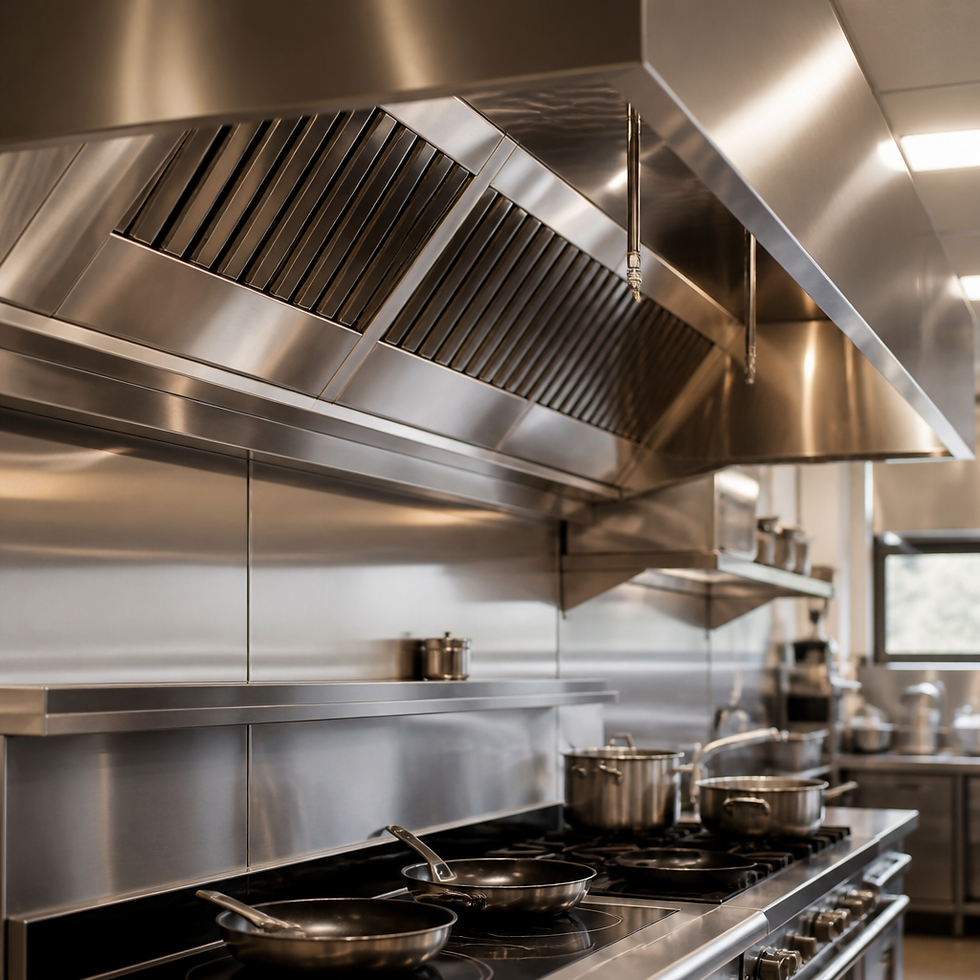
High-volume or solid-fuel cooking may require monthly cleaning, while moderate-volume kitchens often fall on a quarterly cycle. Low-volume operations can sometimes go longer, but do not assume that without checking. Your interval is a documented decision, and it should match what your fire marshal or local AHJ will accept.
Cooking volume and fuel type
In practice, count your hours and your menu. A kitchen running a full line through two dinner services with a charbroiler is not the same as a bakery with one convection oven. Charbroilers, wood ovens, and open-flame fry lines produce heavier grease loads, so they push you toward the shorter end of the range.
Pro tip: Have your line cooks log when filters look loaded over three months before you set the interval. If the filters are heavily coated in four weeks, a quarterly schedule is already wrong for your kitchen.
Why the calendar is not a default
Owners often pick a cleaning date that matches the last vendor visit and never revisit it. A new fryer, a menu change, or added holiday catering can increase grease production quickly. Review the schedule whenever your equipment or menu changes, and write down why you changed it.
What Does NFPA 96 Actually Require?
NFPA 96 is the National Fire Protection Association standard that sets preventive and operative fire safety requirements for commercial cooking operations, both public and private. It is the framework most inspectors use when they look at a commercial kitchen. It does not replace local rules, and your AHJ can add requirements on top of it.
The practical point is that the standard is about the whole system, not the hood face. A complete cleaning follows the exhaust path from the hood canopy and filters through the ductwork to the rooftop fan. Owners who think of compliance as making the hood look clean usually miss the sections that cause the most trouble.
Who enforces it in Connecticut
Your local fire marshal or AHJ decides how the standard applies to your building, and they are the people who will ask to see your records. Call them before you assume a cleaning schedule is acceptable. A kitchen can follow NFPA 96 on paper and still get cited for a local requirement it did not know about.
Inspection versus cleaning
An inspection tells you how dirty the system is. Cleaning removes the grease. Some owners pay for an inspection and assume it satisfies the cleaning requirement. It does not. Ask for the inspection findings in writing, then schedule the cleaning those findings call for.
A hood that looks clean from the floor can still hold a dangerous grease load in the ductwork and the fan housing. Judge the system by its full path, not by what the line can see.
What Should a Complete Cleaning Include?
A complete cleaning covers the entire grease path, from the cooking surface to the rooftop. Many lower-cost jobs only clean what can be reached without removing panels. That leaves grease in the horizontal and vertical ductwork, which is where the fire risk is highest.
On a proper job, the hood canopy and its underside get degreased. Filters are removed, scraped, washed, and returned to position. The plenum is fully degreased. Horizontal ductwork is scraped and washed with access panels opened, and vertical ductwork is cleaned up to the rooftop, with manual entry where needed. The exhaust fan and housing are hot-washed, including blades and drip pans, and louvers and dampers are checked for proper operation.
Filters and plenum
Filters are the easiest part to fix and the easiest part to neglect. A filter that is pulled, soaked, and put back dirty does very little. Ask whether the technician washed or replaced the filters, and whether the plenum was actually degreased rather than wiped at the edges.
Rooftop fan and containment
The fan is where grease collects after it leaves the kitchen, and rooftop grease can drip onto the roof or into drains. Confirm that the fan housing exterior, the curb, and any containment area are included in the job. If the fan has never been opened for cleaning, put that on the first visit.
Will Cleaning Shut My Kitchen Down?
Usually it does not have to. A full cleaning takes a crew several hours, depending on the size of the system, the number of hoods, and how many ducts run to the roof. The real question is when that time lands on your calendar.
Book the work around your service. Many owners ask for a closed day or a late-night window. The best time is after cooking has stopped and the kitchen is cool enough for safe access, which usually means after close.

Scheduling around service hours
Plan the cleaning for your slowest day and confirm the crew's arrival time in advance. Shut down the hood equipment properly, and let your line know which stations will be off-limits. Any work near the fire suppression system should be coordinated so the system stays in service and its nozzles are protected.
Rooftop access and ductwork panels
Rooftop work depends on weather and roof access. Late fall in Connecticut brings shorter days and wet, cold roofs, and both can slow a job. Ask your provider how they plan to handle access panels and whether they will reseal them correctly afterward.
Pro tip: Ask the provider to walk the path with you before the job starts. A five-minute walkthrough of the roof hatch and panel locations saves an hour of confusion on the day of the work.
Comparing Common Cleaning Approaches
Owners usually see three options: a filter exchange with a quick wipe-down, a surface-level hood cleaning, and a full NFPA 96 system cleaning. They can look similar on an invoice, but they produce very different outcomes when an inspector opens a panel.
Approach | What It Covers | Where It Falls Short |
|---|---|---|
Filter exchange and hood wipe-down | Filters and the visible canopy surfaces | Leaves ductwork, plenum, and fan grease in place, so it does not meet the full NFPA 96 scope |
Surface-level hood cleaning | Hood canopy, underside, and reachable filters | Skips panels and vertical ducts, leaving grease where the fire risk is highest |
Full NFPA 96 system cleaning | Hood, filters, plenum, horizontal and vertical ducts, fan, and rooftop discharge | Requires scheduling, access planning, and documentation, and costs more than a quick clean |
The cheapest option is the one that fails when an inspector opens an access panel. If a quote does not list the ductwork and the fan, ask why before you sign.
Reading a quote
A useful quote names each component. If you see "hood cleaning" with no mention of ducts, fans, or rooftop work, you are buying the limited version. Ask for a line-by-line scope so you can compare providers on the same work rather than on the headline price.
What Records Should You Keep After Cleaning?
Records are the part of the job owners forget until someone asks for them. A dated cleaning report, with the technician's notes on what was cleaned and what was found, is the document that shows you kept up with the standard.

What a cleaning report should show
Look for the date, the areas covered, the condition found before cleaning, any components that need repair, and the next recommended service date. A report that just says "cleaned" gives you nothing to show an inspector. Check the report before the crew leaves, while the technician is still on site to answer questions.
Keeping a running service log
Keep the reports in one binder or shared folder that your manager can reach. In practice, the owner who can produce the last three reports in five minutes handles an inspection far better than the owner who has to call a vendor for copies. Add notes about any repair or schedule change so the history tells a clear story.
Pro tip: Photograph the filters and the fan housing before and after each cleaning. Photos are cheap evidence that the work was done, and they show you when grease is building faster than your schedule expects.
What Should You Look for in a Cleaning Provider?
Choose a provider the way you would choose a fire protection contractor, because the work touches your fire safety. Start with the things you can verify on paper, and do not let the price drive the decision on its own.
Credentials and insurance
Ask whether the technicians hold IKECA certification and request proof. Ask for a current certificate of liability insurance as well. Verify both in writing rather than accepting a verbal assurance on the phone.
Red flags in a quote
A quote far below the others usually means reduced scope. Be cautious with a provider who will not walk the system with you, will not commit to a written scope, or wants full payment before the first visit. Also be wary of anyone who promises a single visit covers everything without checking the ductwork.
Which Mistakes Cause Problems Between Cleanings?
Most grease problems between visits come from habits, not equipment. The errors below show up again and again in commercial kitchens, and most of them cost nothing to fix once someone owns the task.
Letting filters sit dirty
Filters that get pulled for a quick rinse and put back before they dry, or that stay in the hood for weeks, undo the work of the last cleaning. Assign one person to check and swap filters on a fixed schedule, and make sure that person knows what a loaded filter looks like.
Overloading the line and ignoring the roof
Heavy frying and charbroiling during a rush push grease into the system faster than a normal week does. After a busy holiday stretch, check the filters early instead of waiting for the next scheduled visit. Owners also rarely look at the roof, but grease can build up around the fan housing and drip into drains. A monthly look from the roof hatch, with a manager present, catches leaks early.
Frequently Asked Questions
How often do Connecticut restaurants need commercial hood cleaning?
Most kitchens follow a schedule set by cooking volume and fuel type. High-volume or solid-fuel cooking may require monthly cleaning, moderate-volume kitchens often run quarterly, and lighter operations can sometimes go longer. Confirm your interval with your local fire marshal or AHJ and keep it on file.
Is changing the filters enough to meet NFPA 96?
No. A filter change addresses only one part of the grease path. NFPA 96 covers the hood, plenum, ductwork, fan, and rooftop discharge, so a filter swap alone leaves most of the system uncleaned.
Can hood cleaning be done without closing the restaurant?
Often yes, but the full job usually needs the kitchen cool and cooking stopped. Most owners schedule the work after close or on a closed day, and they confirm roof and panel access before the crew arrives.
What should a cleaning report include?
A useful report lists the date, the components cleaned, the condition found before cleaning, any repairs needed, and the next recommended service date. Keep it with your other compliance records so you can produce it during an inspection.
Why does a cheap quote often end up costing more?
Low quotes often skip ductwork, the fan, or rooftop work. The grease left behind still creates fire risk and can fail an inspection, which means paying for a second visit. Ask for a line-item scope before you compare prices.
Does an inspection count as a cleaning?
No. An inspection documents grease levels and conditions, while cleaning removes the grease. You may need both, and the inspection findings should tell you what cleaning is required.
Tell us which hood cleaning question your team struggled with most, and which answer finally made the schedule click for your kitchen.
We would love your feedback and any insights you would share with others. What perspective would you add?


Comments